


How do local accounting experts help East Orange entrepreneurs turn tax challenges into opportunities? In the ever-changing landscape of small business finances, tax planning strategies emerge not just as an annual ritual, but as a vital mechanism for steady growth and survival. For business owners and professionals across East Orange, the expert eye of Clinton Robinson—respected founder of Clinton Robinson Professional Tax—offers clarity amidst confusion. In this article, Clinton shares deeply practical, hard-won insights to demystify tax planning and showcase how personalized local strategies can secure a more resilient and profitable future.
Clinton Robinson’s Core Thesis: Why Tax Planning Strategies Are Essential for Local Small Businesses
Too many small business owners wait until it’s too late to think about tax planning. According to Clinton Robinson, the dominant misconception is that tax planning is either overwhelming or unnecessary–until looming deadlines or cash flow crises force a panicked rush to “catch up. ” This puts East Orange businesses at risk of missing opportunities that could have been seized through proactive, tailored planning. From his tenure serving local entrepreneurs, Robinson emphasizes that strategic tax planning is about more than avoiding IRS penalties. It’s about smoothing out the highs and lows unique to small business income cycles, preparing for unexpected downturns, and leveraging every legal advantage coded in the tax law. He positions tax planning as integral to long-term business vitality and financial confidence, especially in dynamic markets like East Orange.

"Some of them think that it's too much for them to take on when they first start off. Then they forget about it until they get older, trying to make up for lost time isn’t always the best way to go." — Clinton Robinson, Clinton Robinson Professional Tax
The Financial Reality: Navigating the Income Lows and Highs with Tax Planning
Local entrepreneurs are no strangers to the feast-or-famine rhythm of small business. One month’s windfall can quickly give way to slow seasons that test even the savviest owner’s resolve. Clinton Robinson openly shares his personal experience: tax preparation season delivers a surge in revenue, yet the preceding winter months bring cash flow to a near halt. “If you’re not planning ahead—if you haven’t set funds aside from busier periods,” he notes, “you risk scrambling to cover basic costs, let alone invest in future growth. ” This insight, coming from years in the trenches, underscores a universal truth: waiting until the crunch hits is the most expensive way to manage your finances. Instead, proactively weaving tax planning strategies into the cadence of your business arms you with a financial cushion, empowers you to weather lean patches, and reduces day-to-day stress. Robinson’s voice of experience is a reminder that tax planning is as much about financial psychology as it is about spreadsheets.
"If we don't start putting stuff aside, we'd be hit in those valleys when the money is really low. It’s hard, but necessary to plan for those times." — Clinton Robinson, Clinton Robinson Professional Tax
Business owners in East Orange should consider these words not just as advice, but as an actionable imperative. When you proactively build tax reserves in good months, you transform the financial narrative of your business—mitigating risk and positioning yourself ahead of competitors who simply react.

How Tailored Tax Planning Strategies Address East Orange Small Business Needs
Effective tax planning strategies demand far more than simply repeating what works for “the average company. ” As Clinton Robinson emphasizes, true value comes from recognizing the “heartbeat” of your business—its unique earning patterns, its exposure to seasonal swings, and how it responds to the economic tapestry of East Orange itself. This local intelligence allows accountants to anticipate pitfalls well before they surface, crafting strategies that aren’t just generic, but genuinely custom-fitted.
Robinson’s approach hinges on active listening: “I see each client’s story as different,” he shares, “because what works for a downtown law firm won’t work for the bakery around the corner. ” By embedding real-world context into every consultation, Clinton and his firm unlock hidden savings, reveal tax credits specific to local activities, and spark fresh ideas that strengthen the client’s long-term position. The message is clear: the best tax outcomes are built on strategies that are as unique as the businesses themselves.
Understanding Local Business Cycles to Optimize Tax Planning Strategies
For East Orange professionals, the business calendar is as influential as the tax code. Clinton Robinson describes how November through January brings a revenue drought as clients delay engagement, followed by a sharp influx when tax season opens. “Without saving from the other months, you’ll be short during the slow season,” he cautions. This acute awareness of local business rhythms enables Clinton to guide clients in building tax strategies that not only minimize liabilities, but also preserve working capital—ensuring they’re never left unprepared during predictable downturns. According to Robinson, timing is everything: knowing when cash flow will surge or dip determines when to accelerate deductions, defer income, or invest in assets that deliver tangible returns.
"November, December, and January often bring in less money because clients wait until February to start their taxes. Without saving from the other months, you’ll be short during the slow season." — Clinton Robinson, Clinton Robinson Professional Tax

For the astute East Orange business owner, this means tax planning should be attuned not just to annual deadlines, but to the pulse of the local market. Those who adopt this mindset position themselves for safe navigation through volatility, while unlocking opportunities that most miss.
Real-World Example: Using Depreciation to Inform Smarter Business Purchases
One of the most tangible “aha moments” Clinton Robinson shares comes from a client struggling to decide between a new and a used car for their business. Clinton advised that buying new, though it seemed costlier upfront, brought superior depreciation benefits and minimized repair expenses over time. Yet, the client chose used—only to face mounting maintenance bills just months later. This real-life scenario punctuates a crucial perspective for local business owners: tax planning isn’t simply about lowering your bill this year. It’s about making resilient decisions that amplify profit and limit risk for years to come. Depreciation, when leveraged intelligently, can turn a necessary purchase into an engine for financial efficiency—maximizing tax deductions and shielding your business from unexpected costs.
"I advised a client to buy a new car for depreciation benefits and future savings on repairs. Instead, he bought used and faced unexpected costs shortly after." — Clinton Robinson, Clinton Robinson Professional Tax
- Start tax planning early and don’t wait until business matures
- Manage cash flow by anticipating seasonal income fluctuations
- Leverage tax code benefits, like depreciation, to reduce liabilities
- Keep an open mind to strategic financial decisions that support growth

Common Tax Planning Misconceptions That Could Cost Your Business
Clinton Robinson observes that many East Orange entrepreneurs harbor beliefs that sabotage solid tax planning. The most pervasive of these is the notion that tax strategy is an optional extra, something to be handled only when profits seem substantial or the headache becomes unavoidable. Robinson’s experience tells a different story. “By the time most owners finally face their tax situation,” he says, “they’re often forced into reactive decisions that limit their options and cost them dearly. ” Addressing these misconceptions is about more than just education—it’s about changing the mindset from overwhelmed to empowered. When tax planning becomes a regular part of business thinking, owners unlock the freedom to grow, invest, and adapt without the drag of looming, unplanned tax surprises.
Myths About Tax Planning Burden on Small Businesses
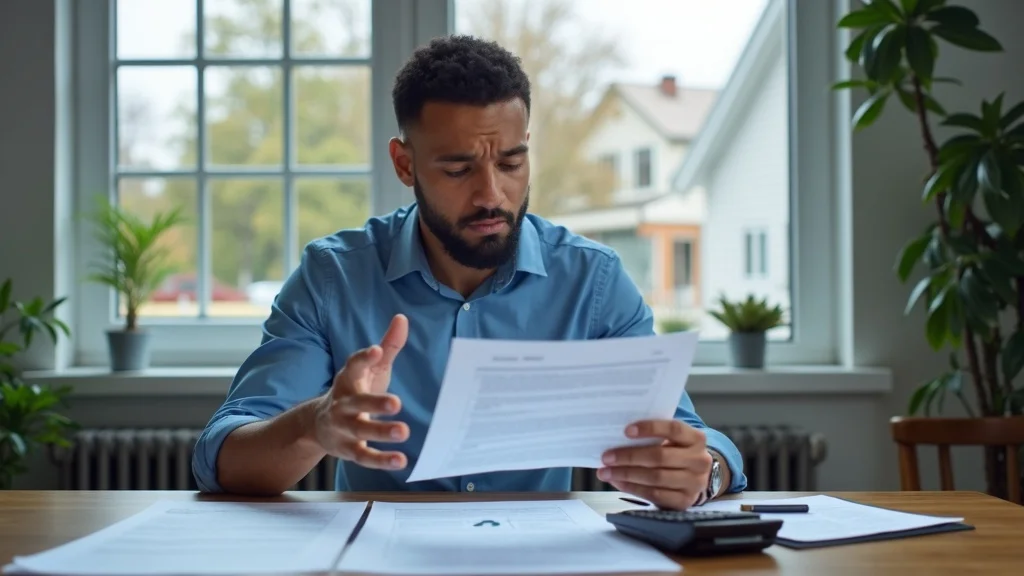
The reality, emphasizes Robinson, is that tax planning strategies are scalable and can be started at any stage of business growth. “Small businesses often believe that planning is only for the big players, or that it’s too complex to tackle early on,” he notes. But in his firm, clients are guided step by step—starting with small, easily managed solutions until they’re ready to expand their financial vision. By taking the first step and seeking out local expertise, owners can dramatically reduce stress and position their businesses to thrive amid the region’s competitive landscape.
Why Reactive Planning Risks Financial Stability
Few risks undermine small business stability quite like waiting until problems are unavoidable. Clinton Robinson’s years of client stories reveal a repeated scenario: owners ignore planning until they’re older, then rush into drastic last-minute strategies that rarely deliver the desired security. The expert's perspective is that every year spent without a sound tax plan multiplies risk and reduces opportunity. Proactive planning—reviewed regularly—protects the business, optimizes available resources, and creates a safety net that can make all the difference in challenging times.
Actionable Tax Planning Tips for East Orange Small Business Owners
Ready to move from uncertainty to control? Clinton Robinson offers these standout recommendations for East Orange business owners determined to claim the full power of tax planning strategies:
- Allocate funds during profitable months to cover slow periods
- Consult a local tax expert familiar with East Orange business dynamics
- Consider asset purchases strategically to maximize tax deductions
- Regularly review your tax planning strategy to adapt to business changes

By embedding these best practices into operations—and seeking professional guidance that reflects the realities of the East Orange business community—owners can step into each fiscal year with confidence. Robinson reminds us: “The purpose of tax planning isn’t just to pay less, but to build a stronger, more adaptive business. ”
Conclusion: Secure Your Small Business Future with Proactive Tax Planning
"Don’t be afraid to plan. Open your mind and explore the ideas that can protect your business financially." — Clinton Robinson, Clinton Robinson Professional Tax
A recurring theme resonates through every story and strategy shared by Clinton Robinson: Proactive tax planning strategies are a form of self-care for your business. The earlier you embrace them, the more resilient, flexible, and opportunity-ready your business becomes. East Orange entrepreneurs are uniquely poised to benefit from local expertise—by anticipating seasonal swings, leveraging tax code advantages, and keeping strategic decisions top of mind, you can turn uncertainty into advantage and position your company for long-term success. If you’re ready to take the next step, Clinton Robinson Professional Tax welcomes local small businesses for a free initial consultation. Don’t leave your future to chance—reach out, start the conversation, and discover how tailored tax planning strategies can transform your bottom line and your financial confidence.
Next Steps for Small Businesses Ready to Optimize Their Tax Planning Strategies
Think about what your business could achieve with a year-round strategy built just for you. The support and insight of a local expert makes all the difference—take action today to secure your financial tomorrow.




Write A Comment